L3Flight application
VAYU
The aircraft itself — reading its sensors, estimating attitude, running the control loops, driving the motors.
- Cascaded PID
- 1 kHz / 250 Hz loops
- Fail-safe recovery
Four layers, all ours
Read it top to bottom. Each layer is ours, so each one can be opened, measured and replaced without asking anybody.
“We are not building another autopilot. We are building the foundation — VaiOS, a sovereign, silicon-native runtime that belongs entirely to its operator. No black boxes. No foreign dependencies. Just pure, auditable control.”
Recognised by




Our focus
01
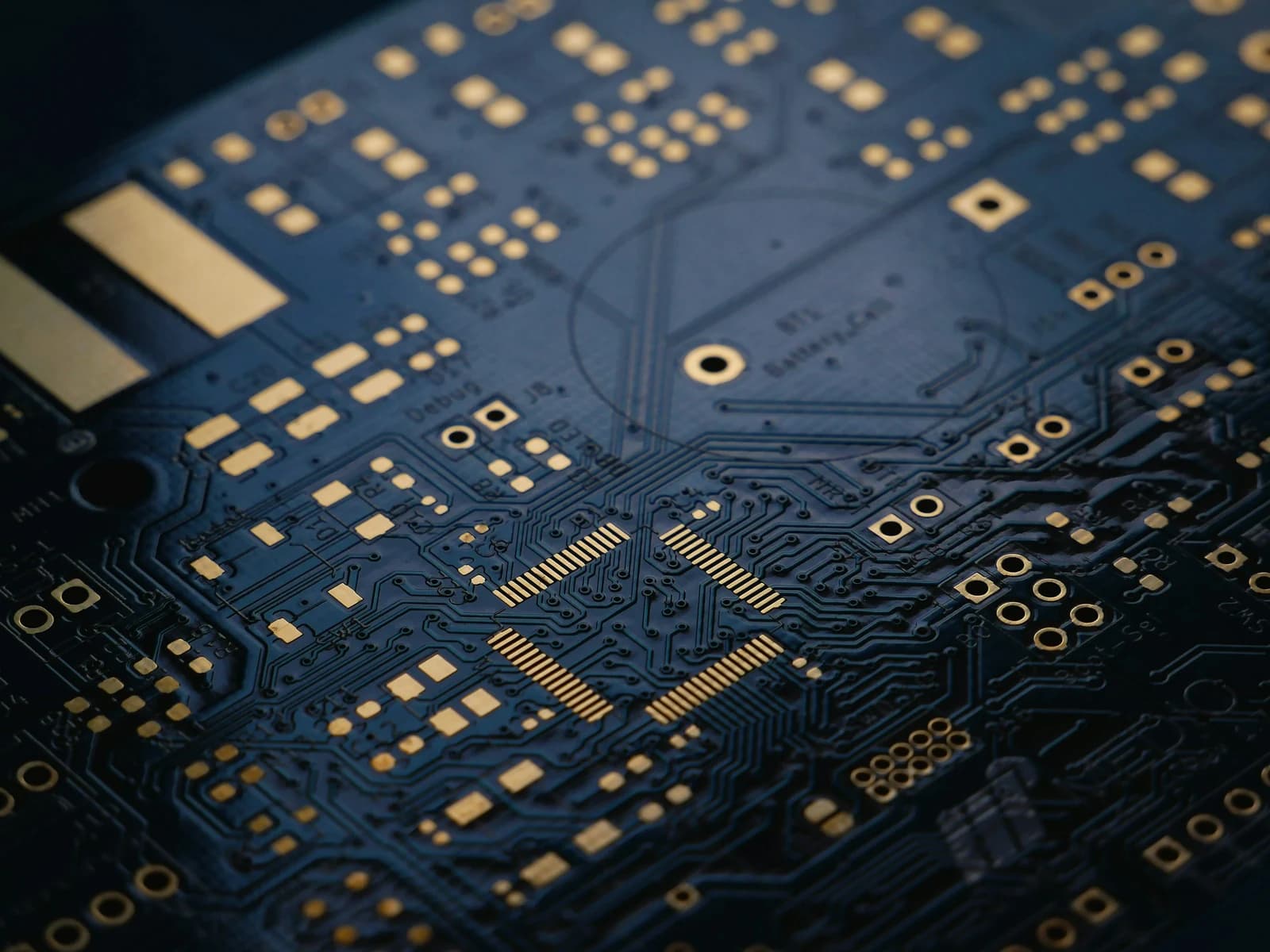
We own every layer — NavHAL at the hardware, VaiOS as the operating system, VAYU in the air. No black boxes, no foreign dependencies: a stack you can audit from the first register.
~5-cycle GPIO · register-level · STM32F4 · H7 · AVR
How the layers fit
02
A flight core that never misses its deadline. VaiOS holds the control loop to a fixed schedule every cycle — benchmarked head to head against FreeRTOS and Zephyr on the same hardware.
~5.9 µs task-wake · 1 kHz / 250 Hz loops
Read the benchmark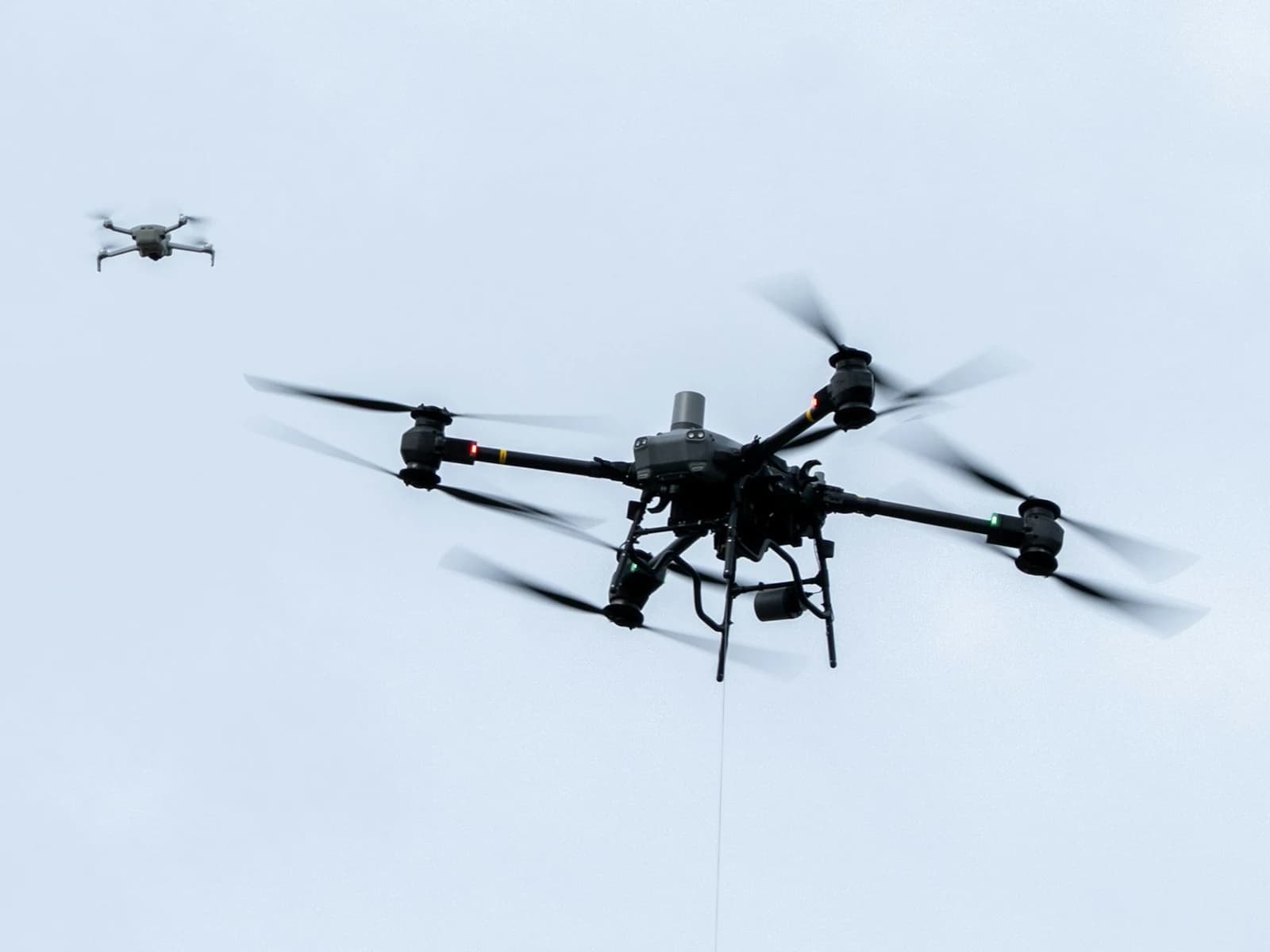
03
Autonomy and swarms are not bolted on — they are how VaiOS is designed to scale, from one aircraft to many. UAVs come first because that is where we prove it.
Join the mission
Contribute to the core layers of VaiOS, from NavHAL up. Build on a stack you can read, audit and extend down to the register.
Read the docsCo-develop custom hardware, or join the pilot programme to put a sovereign runtime in your fleet.
Talk to usBack the work of taking high-grade autonomous navigation out of foreign black boxes and into something auditable.
The caseNext
The technical report, the per-layer guides, and the benchmarks against FreeRTOS and Zephyr are all public. Start there — or write to us about putting the runtime in your fleet.